
Air & Surface Sampling
If an inspection leaves a question about airborne spores or material on a particular surface, we can recommend a targeted sample and explain the lab findings in context.

When mold sampling makes sense
Start with the question you need answered. If you’re trying to find where an odor or water damage started, a mold inspection is usually the first step. When growth is already visible, sampling often adds little to the decision to investigate the moisture source and address the affected area.
Sampling can be useful when a lab result would clarify what’s in the air in a selected area, help identify material on a specific surface, or answer a question in an agreed post-cleanup verification plan.
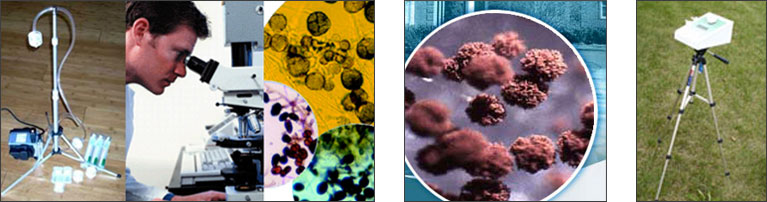
Air sampling or surface sampling?
From sampling to interpretation
Define the question
We review the property conditions and decide whether an air sample, a surface sample, or further visual investigation is appropriate.
Collect and analyze
An air sample may be compared with an outdoor reference. Surface sampling can help identify material from a specific spot. An independent laboratory analyzes submitted samples.
Put results in context
We explain the findings alongside conditions observed at the property and describe the limits of what the samples can tell you.
What your results can tell you
- Where samples were taken, why those locations were selected, and what the independent lab reported.
- How the results fit with the observed moisture, visible conditions, and any outdoor reference.
- What remains uncertain and whether an inspection, moisture evaluation, or follow-up would help.
There is no federal pass/fail limit for airborne mold spores. A lab result alone can’t clear the entire property or identify a concealed moisture source.
What affects your sampling quote
The number of areas and samples, the type of analysis, any outdoor reference sample, and whether an on-site inspection is needed all affect the scope. Tell us if you have a deadline so we can discuss lab and report timing.
When you call, share your ZIP code, property type, affected rooms or surfaces, and any prior report. Ask which samples and lab fees the quote includes and what an additional sample would cost.
Air & Surface Sampling FAQs
What is the difference between air and surface sampling?
Air sampling looks at airborne material collected during the sampling period. A surface sample helps identify material collected from a specific surface.
Will one air sample tell me about the whole building?
Results describe the location and conditions sampled. Findings from one area should be interpreted alongside the inspection and may not represent other rooms.
Why collect an outdoor air sample?
An outdoor reference can provide context for the types and levels found indoors. Whether it is useful depends on the sampling question.
Do I need testing if I can already see mold?
Often the visible condition and moisture history are enough to decide what to investigate next. A test is most useful when the answer would change what you do, such as clarifying what material is present on a specific surface.
How many samples do I need and how long do results take?
The number depends on the questions being asked and the locations that need comparison. Timing depends on the analysis and lab turnaround. Share your deadline and ask which samples, fees, and reporting are included in the quote.
Can you explain my lab report?
Tell us who collected the samples, where they were taken, and what the report covers. That context helps us determine what can be interpreted and whether an on-site assessment would help.
Get a quote for air or surface sampling
Tell us what you want to find out and where you noticed the issue. We’ll discuss whether sampling would help and what belongs in the quote.