

Mold Inspection
Think you might have mold? We investigate visible warning signs, moisture intrusion, and areas of concern.
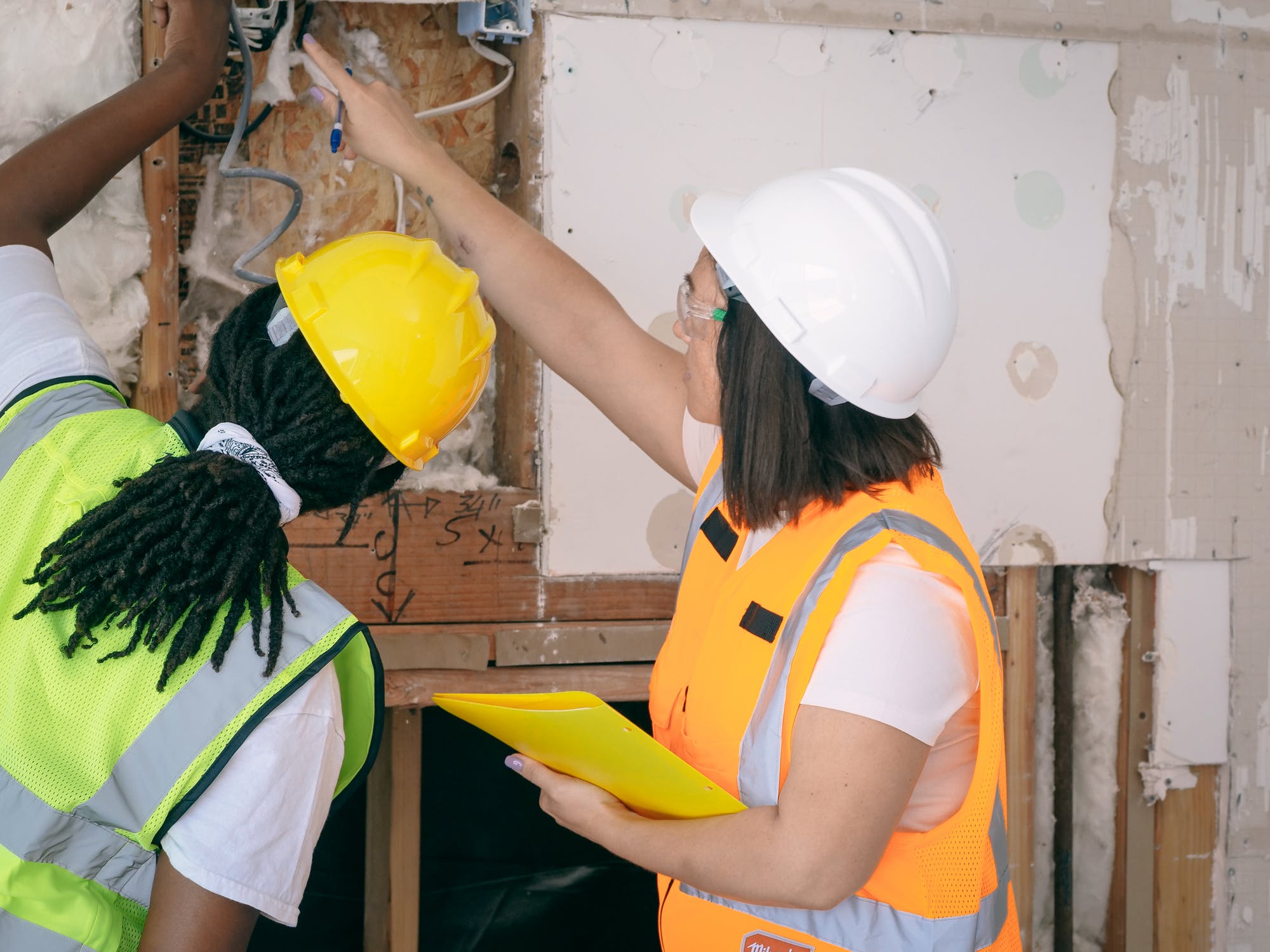
When a mold inspection makes sense
An inspection helps you decide what to do when you notice possible mold or moisture damage and the cause or extent is unclear.
- Something keeps coming back. An odor or stain returns after cleaning, repainting, or a repair.
- There’s a history of water damage. You want to understand conditions around a roof leak, plumbing leak, or overflow.
- A property decision is coming up. You’re buying, selling, or managing a property and need a record of what’s visible and what still needs investigation.

What happens during an inspection
Review the property history
We ask about leaks, repairs, odors, and when you first noticed the issue. This helps identify where to start.
Inspect and document
We check the agreed, accessible areas and photograph relevant conditions. Moisture readings or thermal imaging may help narrow down where to look. If a sample would answer a specific question, we explain what it would add.
Explain the findings
We put the observations and any lab results in context, explain limits on access, and describe what you may need to do next.
What you’ll get in writing
- The areas inspected, including access restrictions and anything outside the scope.
- Relevant photos, observations, and moisture findings.
- An explanation of laboratory results if samples were collected.
- Recommended next steps, such as tracing a leak, checking a concealed area, or discussing cleanup with a contractor.
What affects your quote
Tell us the property type and ZIP code, the rooms affected, when you first noticed the issue, and whether any areas are hard to access. Mention deadlines, recent repairs, and any prior inspection reports.
Ask what’s included in the inspection, whether sample or lab fees are separate, and when you can expect the report. The scope and any lab work affect timing and cost.
Which service should you start with?
Mold Inspection FAQs
Do I need an inspection if I can’t see mold?
An inspection can help investigate persistent odors or signs of moisture even when growth isn’t visible. We can discuss which areas are accessible and what the visit would cover.
Does every inspection include testing?
Sampling is considered when it can help answer a question the inspection leaves open. We discuss why testing may be useful and how the results would be interpreted.
Will the inspection tell me what is behind a finished wall?
We can look for clues and evaluate accessible materials. Concealed conditions may require separate access or additional investigation.
What determines the scope and cost?
The size of the property, number of areas, accessibility, and any sampling or lab work affect the quote. Share the ZIP code, property type, and what you’ve noticed so we can discuss the appropriate scope.
How long will it take to get my report?
Timing depends on the inspection scope and whether samples are sent to a lab. Tell us about your deadline so we can discuss the expected timeline before you schedule.
Can I request an inspection before buying a property?
Yes. Tell us when your inspection period ends, which areas you’re concerned about, and who will provide access. We can discuss what can be evaluated within that window.
What should I have ready for the visit?
Make the agreed areas accessible and have any leak or repair history, photos, and prior reports available. If a tenant or building manager controls access, coordinate that before the appointment.
Get a quote for your mold inspection
Tell us what you’re seeing, where it’s happening, and any deadlines. We’ll discuss which areas to inspect and whether sampling belongs in the scope.