
Moisture Evaluation
A stain keeps coming back or a floor still feels damp after a leak? We check accessible areas for moisture, document what the readings suggest, and explain where to investigate next.

When to get a moisture evaluation
Consider an evaluation when the source or extent of moisture is unclear. A dry-looking surface or a repaired leak can leave open questions about nearby materials.
- Staining returns after rain. Tell us which windows, ceilings, or walls are affected and whether the spots change after a storm.
- Materials stay damp after a leak. Share what leaked, which rooms were affected, and what drying or repair work has been done.
- Damage has no obvious source. Tell us whether you see swelling, peeling finishes, or recurring condensation and when it happens.
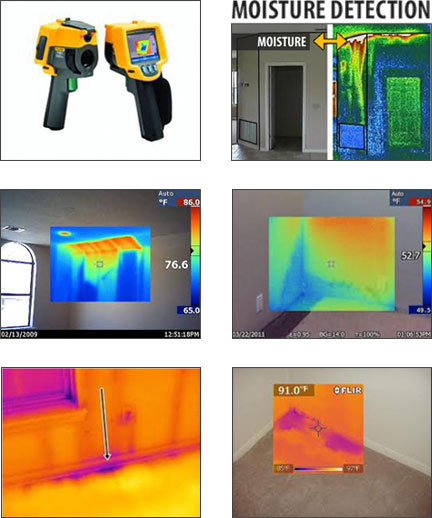
How thermal imaging and moisture meters work together
How we investigate moisture
Map the concern
We start with where and when stains, dampness, or other signs appear, and whether they follow rain, plumbing use, or a recent leak.
Compare readings and observations
We use moisture meters where appropriate. Thermal imaging can reveal temperature differences that point to places worth checking.
Document likely sources and limits
We describe what the evidence suggests and where further access, repair, or a follow-up inspection may be needed.
What the findings tell you
You get a record of areas evaluated, relevant readings and observations, and the evidence for a possible moisture source. The report identifies where the evidence is inconclusive and whether further access, a trade evaluation, or follow-up readings may help.
What affects your moisture evaluation quote
The number of affected rooms, building size, material types, access, and any follow-up readings affect the scope. Share your ZIP code, property type, when the issue appears, and any leak repairs or drying already done so we can discuss the visit and reporting.
Moisture Evaluation FAQs
Can thermal imaging detect mold?
Thermal imaging shows surface temperature patterns. We use it to identify places to check for moisture and interpret those patterns with other observations.
Can you help after a leak has been repaired?
Yes. The timing and scope depend on which materials were affected and whether signs of moisture remain. Tell us what was repaired and how the area was dried.
Will you need to open a wall?
We start with accessible observations and readings. If those indicate a concealed issue, we can explain why more access may be needed before the source can be confirmed.
Is moisture evaluation the same as water damage restoration?
Moisture evaluation investigates and documents the issue. Extraction, drying, and repairs are separate work handled by the appropriate contractor.
Can dry readings rule out a leak that only shows up during rain?
A reading describes the accessible material at the time of the visit. If moisture comes and goes, dates, photos, and follow-up readings under different conditions can help narrow down the cause.
Can you tell me exactly where the water is entering?
Sometimes the observations and readings point to a likely source. Concealed paths or intermittent leaks can require additional access or evaluation by the appropriate trade.
Get a quote for a moisture evaluation
Tell us where the problem shows up and whether it follows rain, plumbing use, or a recent leak. We’ll discuss which areas to check and what a visit can establish.